Business Name: FootPrints Home Care
Address: 4811 Hardware Dr NE d1, Albuquerque, NM 87109
Phone: (505) 828-3918
FootPrints Home Care
FootPrints Home Care offers in-home senior care including assistance with activities of daily living, meal preparation and light housekeeping, companion care and more. We offer a no-charge in-home assessment to design care for the client to age in place. FootPrints offers senior home care in the greater Albuquerque region as well as the Santa Fe/Los Alamos area.
4811 Hardware Dr NE d1, Albuquerque, NM 87109
Business Hours
Monday thru Sunday: 24 Hours
Facebook: https://www.facebook.com/FootPrintsHomeCare/
Instagram: https://www.instagram.com/footprintshomecare/
LinkedIn: https://www.linkedin.com/company/footprints-home-care
Families hardly ever call me about home care when whatever is going efficiently. The call usually follows a scare: a fall, a medication mix‑up, a cars and truck mishap, or a next-door neighbor finding Mom wandering outdoors during the night. The concern beneath all the details is generally the exact same:
"How do we keep Dad safe without taking away the life he still takes pleasure in?"
That stress in between independence and safety sits at the heart of elder care. Most older grownups increasingly value their regimens, their homes, and their autonomy. Their adult children, typically living in another city and juggling professions and kids, lie awake worrying about what may occur when nobody exists.
Home care, when it is attentively prepared and effectively monitored, offers a method to honor both sides of that equation. It supports real independence, not just the impression of it, while putting reasonable defenses around the risks that come with aging.
This is not theory. It is the day‑to‑day reality in living spaces, cooking areas, and driveways across the country, from hectic cities to Albuquerque communities with broken sidewalks and summer season heat that can turn a short walk into a health risk.
Let us stroll through how in‑home senior care really works when it is done well, where its limitations are, and how families can use it to maintain a parent's self-respect and option without closing their eyes to safety concerns.
What elders suggest by "independence" (and why that matters)
Professionals speak about "independent activities of daily living" and "functional status," but that is not how older adults believe. When I ask older clients what self-reliance means to them, the answers are specific.
"I wish to make my own breakfast."
"I want to remain in this home up until I die." "I wish to look after my canine." "I don't desire my kids controlling my cash."Those may sound basic, yet beneath them sit effective styles:
- Control gradually and routine Control over personal space and belongings Control over decisions, especially medical and financial
If a home care plan neglects those styles and focuses only on safety, it will rapidly breed animosity. I have actually seen perfectly well‑designed care schedules fail since a caretaker kept "assisting" with tasks the elder still wanted to do alone. The household felt relieved. The elder felt stripped of skills.
Effective senior home care starts with a blunt discussion:
What does "still living my own life" imply to this specific individual, in this specific home, with their particular health conditions?
The answers direct whatever else.
The peaceful dangers behind the front door
Most dangerous events that press families toward assisted living or nursing homes do not come out of no place. They construct slowly in common spaces.
I typically stroll through a home and mentally layer threat over the layout:
The restroom that has no grab bars, where a slick tile and a loose rug can mean a hip fracture.
The cooking area where an older adult has to get on a chair to reach dishes. The cluttered hallway that makes nighttime trips to the toilet a minefield. The tablet organizer filled by someone with mild amnesia.
In hotter environments, including Albuquerque and the surrounding location, easy outings can also turn dangerous. A brief walk for mail in 95‑degree heat, carried out by somebody with heart concerns who forgot to drink water, ends up being more than routine workout.
These threats are why families in some cases default to the concept that a center is immediately safer. Yet safety does not only depend on the structure. It depends upon guidance, regimens, and how immediately problems are seen and resolved. Well‑organized in‑home care can match or exceed that level of oversight, while leaving the elder in a familiar environment.
How home care supports real independence
Home care is not one thing. It is a toolkit that can be changed gradually. When households comprehend the individual tools, they can develop assistance that cuts threat without flattening autonomy.
Support with daily jobs, not takeover
Professionals call these jobs Activities of Daily Living (ADLs): bathing, dressing, toileting, moving, eating. There are likewise Instrumental Activities of Daily Living (IADLs): cooking, laundry, shopping, paying expenses, handling transport.
A competent caretaker does not automatically step in and "do everything." Instead, they view how the individual relocations and ask:
Which pieces are unsafe?
Which pieces are tiring but still safe? Which pieces are essential to this individual's identity?Take bathing as an example. Among my clients, a retired instructor in her late seventies, wished to shower herself but had poor balance. The caregiver established the restroom so that the elder might clean independently while seated, with the caretaker close-by and within earshot. The elder https://hectorzcsj885.fotosdefrases.com/choosing-between-home-care-service-and-assisted-living-benefits-and-drawbacks handled cleaning and drying. The caretaker managed the logistics: non‑slip mat, ideal water temperature level, towels in reach, safe action in and out.
The outcome: safety enhanced, but the elder still skilled herself as somebody who "takes care of my own hygiene."
Medication management that respects choice
Medication is one of the most common triggers for moving to assisted living. Missed out on dosages, double doses, and skipped refills can send out somebody to the emergency room.
In home care can introduce layers of protection without dealing with the older adult like a child. A common technique might combine numerous elements:
- A weekly pill organizer filled by a nurse or member of the family Reminders from the caregiver at scheduled times, with the elder still physically taking the tablets A basic log, signed or checked off, so the household and medical professionals can see patterns
The secret is to keep the elder in the motorist's seat. I frequently recommend asking, "How do you desire us to help you keep in mind?" instead of, "We are going to take control of your medications." That small shift keeps the sense of firm undamaged.
When amnesia progresses into moderate dementia, the balance modifications. At that point, the best and most considerate alternative might be for the caretaker to totally handle and turn over each dose while still talking the elder through what they are taking and why.
Mobility and fall prevention: flexibility to move, not sit
Nothing robs independence faster than a major fall. Yet extremely mindful family members in some cases swing to the other severe, dissuading any strolling "simply in case."
Home care allows a more nuanced technique. A skilled caregiver can:
- Encourage regular, supervised movement around your house and lawn Assist with transfers in and out of bed, chairs, and the cars and truck Work with physiotherapists to enhance proposed exercises
One gentleman I dealt with in Albuquerque loved his small yard garden. After a fall, his daughter wanted to lock the back entrance. Rather, we compromised. The caretaker walked him out to the garden every afternoon, remained close while he inspected the plants, and after that strolled back with him. We included a stable outside chair and a hand rails by the single step.
He kept a valued day-to-day routine. His child slept better at night.
Cognitive support: staying sharp, not just "protected"
Independence is not only about physical function. It is also about feeling mentally engaged and appreciated.
Good in‑home senior care builds small, everyday opportunities for believing and option into the regimen:
Asking the elder to assist plan the day's meals, choose clothing that match the weather condition, or pick which pal to call first.
Inviting them to discuss old pictures, tell stories, or share music from their past. Encouraging them to deal with simple tasks they can still manage, like folding towels or composing a wish list.These moments do more than pass time. They send a subtle message: "You are still the professional on your own life."
Emotional safety becomes part of physical safety
Safety is not just get bars and blood pressure logs. Emotional distress, solitude, and without treatment anxiety can straight undermine physical health. People who feel worthless or separated are much less likely to take medications correctly, eat well, or speak out about new symptoms.
The existence of a consistent caregiver can soften those dangers. I typically see a visible modification in customers who, after weeks of very little interaction, all of a sudden have somebody in the home who discovers their preferences, listens to their stories, and notifications when they are "not quite themselves."
In one case, a caregiver picked up on subtle changes in a client's speech and energy long before the household did. Her quiet note in the interaction log resulted in a physician visit, which uncovered a urinary system infection that might have advanced to delirium or hospitalization.
Relationships are not an "extra" in home care. They are part of the safety net.
Practical ways home care improves safety without feeling restrictive
When households ask for specific examples of how home care can keep somebody safe while still honoring self-reliance, I typically indicate a tight group of practices that make the most significant difference.
Here is a succinct view of them:
- Personalized home safety changes: Basic changes such as getting rid of loose rugs, improving lighting, marking action edges, and reorganizing often used products to waist height decrease fall threat without changing how the home feels. Numerous companies will do a formal home safety evaluation before beginning care. Monitored, not prohibited, activities: Rather of prohibiting cooking, bathing, or brief walks, a caretaker can be present, assist with the riskiest parts, and intervene quickly if required. This turns previously hazardous regimens into safe, supported ones. Early detection of modifications: Regular caregivers observe small shifts in speech, cravings, balance, or state of mind. Those patterns typically expose heart issues, infections, or medication negative effects before they intensify. Structured yet flexible regimens: Foreseeable daily rhythm aids with sleep, blood sugar level, and mood, however within that structure the elder can choose timing and order of activities. For somebody with early dementia, this balance can delay more intensive care needs. Safer transportation and errands: Rather of driving themselves on hectic Albuquerque streets, a senior might ride with a caregiver who helps with stairs, heat exposure, and carrying bags, while the elder still decides where to go and what to purchase.
None of these tools removes choice. They frame option inside much safer boundaries.
When home care is insufficient on its own
As much as I operate in and supporter for senior home care, I am blunt with families about its limitations. There are circumstances where even the very best in‑home care might not provide sufficient safety, or may become financially and logistically unsustainable.
A few recurring patterns raise red flags:
Severe roaming and nighttime confusion. If somebody with dementia repeatedly leaves your house during the night, even with alarms and door locks, full 24‑hour guidance may be needed. That level of in‑home care quickly ends up being more costly than many assisted living or memory care facilities.
Frequent medical crises. If a senior has repeated hospitalizations for cardiac arrest, advanced COPD, or unsteady diabetes, their requirements may shift towards experienced nursing or hospice care. Home care can support, but not replace, round‑the‑clock nursing oversight.
Unresolved aggression or risky habits. A small minority of customers establish habits that position caretakers or relative at risk, such as physical aggression, unchecked fires from cooking, or refusing all medications. Facilities with specialized training and protected environments might be the safer option.
Profound caregiver burnout. Often the barrier is not the elder's condition, but the household's exhaustion. If the primary household caretaker is collapsing under the stress, and in‑home services are insufficient to relieve that concern, a residential setting can protect both celebrations.
The best concern is not "home or center forever?" It is "offered the present condition, what is the least limiting, reasonable environment that provides acceptable safety?" That response can alter over time.

Choosing a home care provider that really supports independence
Not all home care agencies are equal. The distinction in between a good and an average fit often appears in small details that either assistance or quietly wear down independence.

When households in Albuquerque or any city ask how to select carefully, I encourage them to look beyond marketing language and concentrate on behavior.
Key areas to explore in conversation:
Philosophy of care. Ask how they stabilize independence and safety when there is a dispute. Listen for how they deal with danger. A thoughtful firm will discuss "self-respect of threat" and shared decision‑making, not a one‑size‑fits‑all guideline.
Caregiver training and guidance. Ask about how caregivers are trained in fall prevention, dementia care, and interaction with resistant senior citizens. Ask how typically managers visit the home and how issues are dealt with. Good companies do not send workers out and disappear.
Consistency of staffing. Regular caregiver changes are disruptive, especially for those with memory concerns. Ask what portion of shifts are filled by the same main caregiver and what backup plans exist for disease or emergencies.
Experience with your parent's particular requirements. For instance, if your father has Parkinson's and resides in an older Albuquerque adobe home with narrow doorways, you desire a team utilized to both motion disorders and older real estate stock, not just clients in modern, accessible condos.
Communication habits. Clarify how and how typically you will receive updates. Families who live out of state normally require structured interaction: weekly e-mails, a shared online log, or scheduled telephone call, not just "call us if something takes place."
When siblings disagree about safety and independence
Home care for parents can expose long‑standing family dynamics. One brother or sister might promote maximum self-reliance: "Mom is fine, she has actually lived alone for 40 years." Another might push for optimum safety: "If anything occurs, I can not deal with the guilt."
An experienced elder care supplier, or a neutral third party such as a geriatric care supervisor, can assist families move past opinion and into realities. I typically walk brother or sisters through three concerns:
What particular risks are we anxious about?
What specific abilities does our parent wish to preserve? What options, including in‑home care, can reduce the risks without needlessly stripping those capabilities?Home care can serve as a happy medium, a trial solution. Rather of arguing abstractly about whether Dad is "safe at home," a household can accept present a caregiver for a minimal duration, then reassess based upon observed modifications and results. The conversation then shifts from fears to information: less falls, enhanced medication adherence, reduced emergency visits, or more steady mood.
Common myths about in‑home senior care
Misunderstandings about home care typically delay assistance till after a crisis. Resolving these misunderstandings early can open up better options.
Here are some of the myths I still hear usually:
- "Home care will make my parent reliant." In reality, thoughtful home care can extend the period of safe self-reliance by preventing the sort of injuries and crises that force unexpected relocations. The goal is to support what the elder still does well, not to take it away. "It is only for individuals who are extremely sick or older." Numerous customers begin with simply a couple of hours a week concentrated on transport, meal prep, or light housekeeping. Beginning earlier allows a gentle ramp‑up instead of an emergency scramble. "Caretakers will take over the house." Respectable companies train caregivers to regard borders, involve the elder in decisions, and follow a care strategy shaped by the family and client. If you ever feel a caregiver is overstepping, that is a conversation with the company, not a factor to avoid home care completely. "Center care is constantly much safer." Facilities can be much safer for some circumstances, however they are not magic. Falls, infections, and medication errors take place there too. The quality of oversight, staffing levels, and responsiveness matter simply as much as the setting itself. "We can not afford it, so there is no point looking." Expenses differ widely. Some families start small, use long‑term care insurance, integrate private pay with veteran advantages, or bring in aid only throughout the riskiest times of day. Exploring options often reveals more versatility than individuals anticipate.
The earlier families discard these myths, the earlier they can customize home care in such a way that really serves both safety and independence.
A reasonable path forward for families
Home care is not a magic option, but it is a powerful tool when utilized with clear eyes and consistent interaction. At its finest, it does 3 things at once.
First, it lets older grownups remain in the location where their memories live: the worn kitchen table, the familiar creak of the corridor floorboard, the morning light that comes through the exact same east‑facing window. Environment matters deeply in late life, specifically for those with cognitive decrease.
Second, it wraps that familiar environment in useful safeguards: another set of eyes on the pillbox, another consistent arm for the shower, another motorist who knows where the dubious parking spots are on a hot Albuquerque afternoon.
Third, it enables households to move roles. Adult children can begin being kids and daughters once again rather of overdue, exhausted full‑time caretakers. Visits can revolve more around discussion and connection than around hurried bathing, cleansing, and medication wrangling.
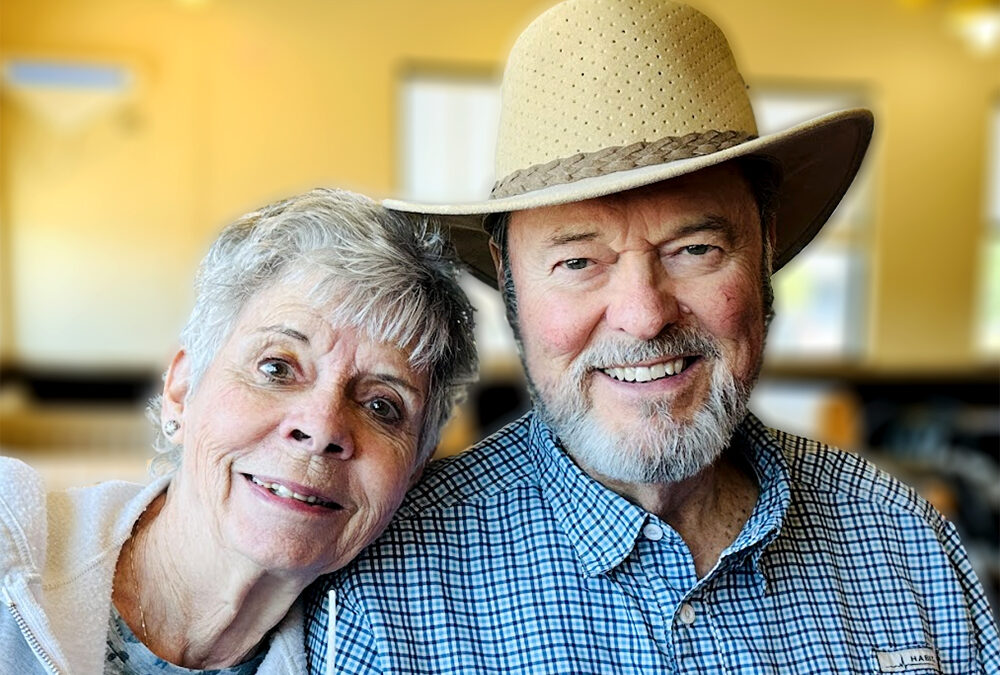
Striking the ideal balance in between independence and safety is not a one‑time decision. It is an ongoing change, tuned to the elder's changing health, the family's capacity, and the resources offered in the local neighborhood.
Thoughtfully created in‑home senior care gives you more room to make those modifications gradually, instead of only after a crisis. It offers a useful, gentle middle path: neither negligent autonomy nor unneeded limitation, but a living arrangement where an older grownup can still recognize their own life and state, with honesty, "I am home, and I am taken care of."
FootPrints Home Care is a Home Care Agency
FootPrints Home Care provides In-Home Care Services
FootPrints Home Care serves Seniors and Adults Requiring Assistance
FootPrints Home Care offers Companionship Care
FootPrints Home Care offers Personal Care Support
FootPrints Home Care provides In-Home Alzheimer’s and Dementia Care
FootPrints Home Care focuses on Maintaining Client Independence at Home
FootPrints Home Care employs Professional Caregivers
FootPrints Home Care operates in Albuquerque, NM
FootPrints Home Care prioritizes Customized Care Plans for Each Client
FootPrints Home Care provides 24-Hour In-Home Support
FootPrints Home Care assists with Activities of Daily Living (ADLs)
FootPrints Home Care supports Medication Reminders and Monitoring
FootPrints Home Care delivers Respite Care for Family Caregivers
FootPrints Home Care ensures Safety and Comfort Within the Home
FootPrints Home Care coordinates with Family Members and Healthcare Providers
FootPrints Home Care offers Housekeeping and Homemaker Services
FootPrints Home Care specializes in Non-Medical Care for Aging Adults
FootPrints Home Care maintains Flexible Scheduling and Care Plan Options
FootPrints Home Care is guided by Faith-Based Principles of Compassion and Service
FootPrints Home Care has a phone number of (505) 828-3918
FootPrints Home Care has an address of 4811 Hardware Dr NE d1, Albuquerque, NM 87109
FootPrints Home Care has a website https://footprintshomecare.com/
FootPrints Home Care has Google Maps listing https://maps.app.goo.gl/QobiEduAt9WFiA4e6
FootPrints Home Care has Facebook page https://www.facebook.com/FootPrintsHomeCare/
FootPrints Home Care has Instagram https://www.instagram.com/footprintshomecare/
FootPrints Home Care has LinkedIn https://www.linkedin.com/company/footprints-home-care
FootPrints Home Care won Top Work Places 2023-2024
FootPrints Home Care earned Best of Home Care 2025
FootPrints Home Care won Best Places to Work 2019
People Also Ask about FootPrints Home Care
What services does FootPrints Home Care provide?
FootPrints Home Care offers non-medical, in-home support for seniors and adults who wish to remain independent at home. Services include companionship, personal care, mobility assistance, housekeeping, meal preparation, respite care, dementia care, and help with activities of daily living (ADLs). Care plans are personalized to match each client’s needs, preferences, and daily routines.
How does FootPrints Home Care create personalized care plans?
Each care plan begins with a free in-home assessment, where FootPrints Home Care evaluates the client’s physical needs, home environment, routines, and family goals. From there, a customized plan is created covering daily tasks, safety considerations, caregiver scheduling, and long-term wellness needs. Plans are reviewed regularly and adjusted as care needs change.
Are your caregivers trained and background-checked?
Yes. All FootPrints Home Care caregivers undergo extensive background checks, reference verification, and professional screening before being hired. Caregivers are trained in senior support, dementia care techniques, communication, safety practices, and hands-on care. Ongoing training ensures that clients receive safe, compassionate, and professional support.
Can FootPrints Home Care provide care for clients with Alzheimer’s or dementia?
Absolutely. FootPrints Home Care offers specialized Alzheimer’s and dementia care designed to support cognitive changes, reduce anxiety, maintain routines, and create a safe home environment. Caregivers are trained in memory-care best practices, redirection techniques, communication strategies, and behavior support.
What areas does FootPrints Home Care serve?
FootPrints Home Care proudly serves Albuquerque New Mexico and surrounding communities, offering dependable, local in-home care to seniors and adults in need of extra daily support. If you’re unsure whether your home is within the service area, FootPrints Home Care can confirm coverage and help arrange the right care solution.
Where is FootPrints Home Care located?
FootPrints Home Care is conveniently located at 4811 Hardware Dr NE d1, Albuquerque, NM 87109. You can easily find directions on Google Maps or call at (505) 828-3918 24-hoursa day, Monday through Sunday
How can I contact FootPrints Home Care?
You can contact FootPrints Home Care by phone at: (505) 828-3918, visit their website at https://footprintshomecare.com, or connect on social media via Facebook, Instagram & LinkedIn
The Albuquerque Museum offers a calm, engaging environment where seniors can enjoy art and history — a great cultural outing for families using in-home care services.